
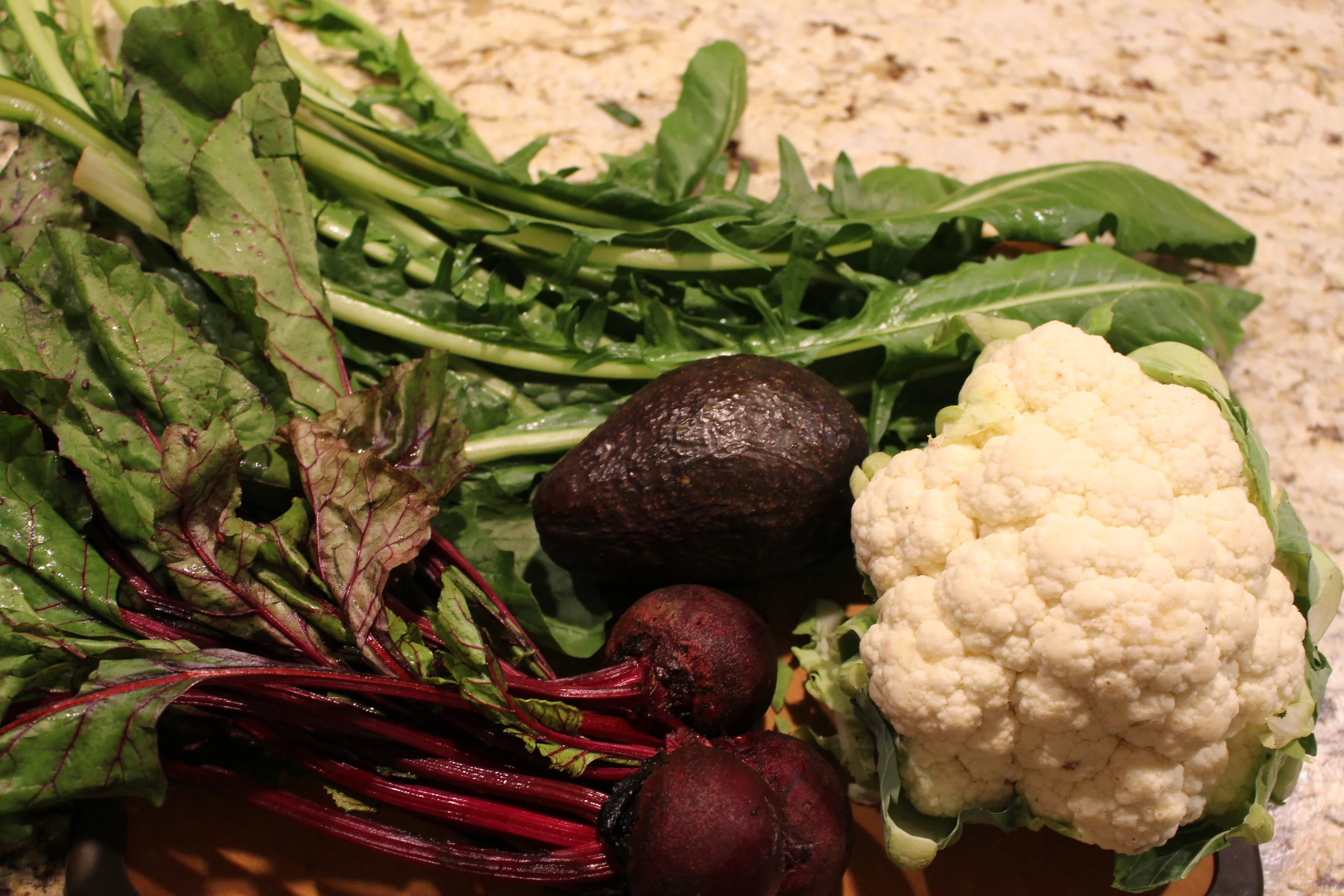
I foremost am a Physical Therapist, but I do try to eat healthy and have learned a lot about nutrition from my own health odyssey and from my patients over the years since it does affect our health and physiology. Why would we not want to feel the best we can as often as possible? Also, why would we not want our kids to feel the best they can so they optimize their learning and growth? In general, our bodies function best with a diet of whole, natural foods. Here are some sound facts about the different food groups and I have broken them down into high nutrient density/ /low inflammatory foods and low nutrient density/ inflammatory foods
High nutrient density/low inflammatory foods
Leafy green vegetables are low in calories and rich in minerals, vitamins, and phytochemicals. They reduce the risk of cancer, diabetes and heart disease. They create a more healthy gut environment by attracting the good bacteria creating more nutrients. Fiber from vegetables provide a way for toxins and other waste material to exit your body since the toxins bind to the fiber instead of recirculating back into your system.
Essential Fatty Acids are crucial to a well-functioning brain and to growth and development. They improve concentration and provide fuel throughout the day. Omega 3 oils are not consumed as frequently as Omega 6 oils and these are really essential to get into our diet from cold-water fish (salmon, tuna) avocados, nuts, chia and flax seeds and olive, coconut, and cod liver oil. The nervous system is made up largely of fat and we need to nourish it. Also, we need fatty acids to maintain hydration and prevent brittle nails, dry skin and hair loss.
Proteins Improve our concentration levels as well and increase our dopamine levels (regulates happiness) and increase our neurotransmitter levels. (these help brain cells talk to each other) They also increase our endurance by slowing muscle breakdown during exercise. Good sources are organic meat and/or grass-fed meat, fish, beans, lentils, yogurt, seeds, nuts and nut butters.
Fiber eating more fiber slows down absorption of sugar into the blood stream, making it less likely to be turned into fat. Fiber reduces the risk of cancer. Good sources of fiber are fruits (prunes, pears, mangos, berries, apples) and pumpkin, nuts and seeds, split peas, beans (kidney, navy, black, pinto and lentils) and vegetables.
Low Nutrient/ Inflammatory Foods
Gluten is a protein found in wheat, barley, oats and rye. It is difficult for our gut to process gluten and it causes inflammation of the gut which makes is hard to absorb nutrients. Poor absorption leads to malnutrition or “over-eating”. There are many terrific gluten-free foods and flours that are rich in protein and low-carb such as almond flour, coconut flour, almond meal and arrowroot powder.
Sugar has no nutrient value whatsoever. Large swings in our blood sugar levels can in the short-term impact our energy levels and ability to focus. Long term leads to inflammation, diabetes and dementia. Processed sugar is a neuro-toxin. (Poisonous to the nervous system) Any condition with neurological symptoms like tremors, decreased balance or brain dysfunction will be adversely affected by processed sugars or artificial sweeteners. Sugar also damages our skin by decreasing collagen. Great alternatives that contain vitamins, minerals and are anti-oxidants are: coconut palm sugar, honey, maple syrup and stevia.
The old adage “we are what we eat” definitely holds true and I challenge you to eat what you want to become!